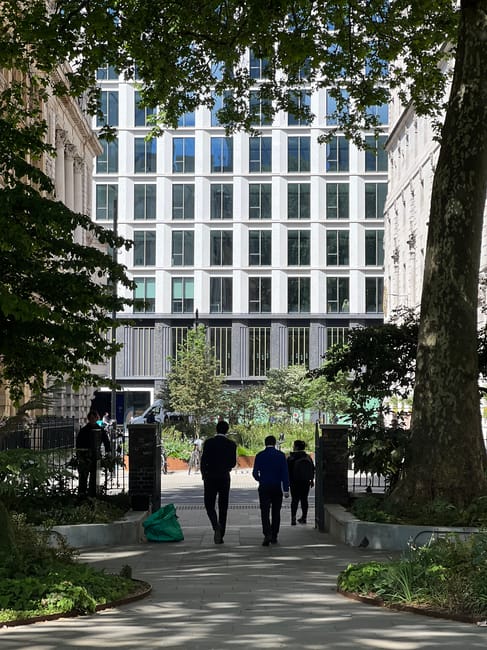
N1 Clerkenwell gardeners for courtyard maintenance London: a practical guide to keeping small urban outdoor spaces in top shape
If you live or manage a property in Clerkenwell, you already know the pattern: a courtyard looks calm on the surface, then one windy week, a bit of rain, some shade, and suddenly the space needs proper attention. That is where N1 Clerkenwell gardeners for courtyard maintenance London become genuinely useful. Not just for cutting things back, but for keeping a compact outdoor area tidy, healthy, and presentable all year round.
Courtyards in central London are a different beast from larger suburban gardens. They often have limited light, awkward access, paving that holds damp, and planting that has to work harder than it should. A good maintenance routine makes the difference between a space people enjoy and one they quietly avoid. In this guide, we'll walk through what courtyard maintenance involves, how it works, what to expect, and how to choose a service that fits the reality of N1 life. Nothing fancy. Just the kind of practical advice that saves you time, hassle, and a few headaches.
For broader company information and service standards, you may also find the about us page, pricing and quotes, and contact us useful while you compare options.
Table of Contents
- Why N1 Clerkenwell gardeners for courtyard maintenance London Matters
- How N1 Clerkenwell gardeners for courtyard maintenance London Works
- Key Benefits and Practical Advantages
- Who This Is For and When It Makes Sense
- Step-by-Step Guidance
- Expert Tips for Better Results
- Common Mistakes to Avoid
- Tools, Resources and Recommendations
- Law, Compliance, Standards, or Best Practice
- Options, Methods, or Comparison Table
- Case Study or Real-World Example
- Practical Checklist
- Conclusion
- Frequently Asked Questions
Why N1 Clerkenwell gardeners for courtyard maintenance London Matters
Courtyard maintenance sounds straightforward until you actually stand in one on a damp Tuesday morning and notice how much is going on. The paving has algae on the shaded side, the climber has crept into the gutter line, one planter is waterlogged, and the box hedge is holding onto last season like it has a point to prove. That's the everyday reality for many small urban outdoor spaces in Clerkenwell.
In N1, courtyards are often used hard and maintained lightly. They may sit beside flats, offices, hospitality spaces, or mixed-use buildings. People want them to look smart, but the space itself can be tight, fragmented, or difficult to access. So the maintenance needs to be more strategic than dramatic. You're not trying to create a country garden. You're trying to keep a compact space neat, healthy, safe, and pleasant to use.
Good courtyard maintenance also matters because small spaces show problems quickly. A neglected pot becomes a dead patch. A patch of moss becomes a slipping risk. A plant that is slightly too large becomes an access problem before anyone notices. This is why local gardeners who understand courtyard conditions tend to be a better fit than a general, one-size-fits-all approach.
Expert summary: Courtyard care in central London is less about constant redesign and more about disciplined upkeep, light-touch planting knowledge, and regular small interventions before issues build up.
And there's another angle people sometimes miss. A well-kept courtyard can improve how a property feels to residents, staff, visitors, or customers. That first impression matters. A lot, actually. A clean line of planting, fresh mulch, trimmed growth, and tidy hard surfaces can make a narrow outdoor area feel calmer and more valuable, even if it's only a few square metres.
How N1 Clerkenwell gardeners for courtyard maintenance London Works
Courtyard maintenance usually starts with understanding the space as it is, not how someone imagined it when the planting was first installed. A good gardener will look at light, drainage, access, container condition, plant health, and how the courtyard is used day to day. That first assessment shapes everything that follows.
In practice, maintenance may include pruning, deadheading, weed control, hedge trimming, container care, seasonal planting, clearing leaves, washing down hard surfaces, checking irrigation, and improving soil or compost in beds and planters. In a courtyard, every task has to be done with care because the margin for error is small. One overgrown shrub can block light. One poorly timed cut can weaken a plant for months.
Most services work on a regular schedule. That might be weekly in busy communal spaces, fortnightly for moderate-use courtyards, or monthly where the planting is resilient and the layout is simple. In truth, the right frequency depends more on the site than on any neat rule. A shaded courtyard with lots of pots will usually need more attention than a sunny, spacious one.
There is also a difference between routine maintenance and corrective work. Routine maintenance keeps the space tidy and stable. Corrective work tackles things like root-bound plants, failed containers, compacted soil, broken edging, drainage issues, or overgrowth that has slowly got out of hand. It is usually better to spot those issues early. Waiting often costs more. That is just how it goes.
Some gardeners also advise on planting replacement, container layout, and longer-term improvements. That matters in London courtyards because a plant that loves full sun may sulk for months in a narrow shaded side passage. The right species choice saves a huge amount of maintenance later. Simple, but very effective.
Key Benefits and Practical Advantages
Choosing N1 Clerkenwell gardeners for courtyard maintenance London gives you more than a neat finish. The real benefits show up in how the space performs over time.
- Better presentation: regular trimming, clearing, and tidying keeps the courtyard looking cared for rather than forgotten.
- Healthier planting: plants managed at the right time tend to grow more evenly and recover better from stress.
- Safer surfaces: moss, wet leaf build-up, and loose debris can make hard landscaping less slippery.
- Less disruption: small, regular visits are usually easier than occasional large-scale rescue jobs.
- Lower long-term cost pressure: ongoing care often prevents expensive replacement work later on.
- Better use of space: a tidy courtyard feels more usable, even if it is tiny and awkwardly shaped.
There is also the quiet benefit of consistency. A courtyard that is maintained every few weeks tends to settle into itself. Plants behave better. Edges stay sharper. Accumulated mess does not get the chance to become part of the scenery. And let's face it, once a space starts looking permanently tired, it takes more effort to bring it back than most people expect.
If environmental handling matters to your property, it can be worth asking how waste and green material are managed. Services with a focus on recycling and sustainability can help reduce avoidable waste and support more responsible maintenance routines.
Who This Is For and When It Makes Sense
Courtyard maintenance is not just for "gardens" in the classic sense. In Clerkenwell and across N1, it often suits a mix of property types and responsibilities.
It makes sense if you manage:
- residential courtyards for flats or mansion blocks
- shared outdoor areas in mixed-use buildings
- office courtyards and staff breakout spaces
- small hospitality terraces or enclosed planting areas
- private courtyards with containers, climbers, or limited beds
- managed properties where presentation matters to tenants or visitors
It also makes sense if you keep thinking, "I'll sort it next month," and next month keeps arriving with more weeds, more leaf litter, and one plant that has quietly taken over the corner. Very human, that. We all do it.
This kind of service is especially useful when the space is too small to justify a full gardening programme, but too visible to leave unmanaged. If your courtyard gets foot traffic, has drainage challenges, or includes expensive planters, regular upkeep quickly becomes the sensible option rather than a luxury.
For first-time clients, there is often a trigger point. It might be after winter, following tenant complaints, before a lease event, or simply when the courtyard stops looking like part of the property and starts looking like a maintenance problem. That is usually the moment to act.
Step-by-Step Guidance
If you are planning courtyard maintenance, a simple process keeps everyone aligned and avoids costly surprises. Here is the most practical way to approach it.
- Assess the space honestly. Look at sunlight, drainage, plant condition, access, and how the courtyard is used.
- List the priorities. Separate urgent issues from routine upkeep. For example, a blocked drain or unsafe surface comes before cosmetic work.
- Decide the maintenance rhythm. Weekly, fortnightly, or monthly visits should match the site's needs, not just the budget.
- Confirm the scope. Define whether the work includes pruning, litter removal, planting, hard-surface cleaning, container replacement, or seasonal changes.
- Agree access and site rules. Courtyards in London often have security procedures, time restrictions, or shared-entry arrangements. Sort this out early.
- Review the planting strategy. Replace weak or unsuitable plants with varieties that tolerate shade, wind, or restricted root space.
- Keep a record. A simple note of what was done, what needs follow-up, and what is working well can be surprisingly helpful.
- Review after a few visits. Courtyards often reveal hidden issues once the initial tidy-up is complete.
A practical example: a small Clerkenwell courtyard with six planters may look fine at first glance, but after two maintenance visits it becomes clear that two planters dry out too fast while another collects too much rain. That kind of observation only appears once the site is being looked after properly. And it matters.
For a clearer idea of service expectations and how bookings are handled, it may help to review the company's terms and conditions alongside payment and security information.
Expert Tips for Better Results
The best courtyard maintenance is usually calm, consistent, and slightly unglamorous. Not much drama. Just good habits.
Match the planting to the light you actually have
This sounds obvious, but it is one of the biggest reasons courtyards underperform. Shady London courtyards are not the place for plants that demand long sun exposure. If you select species for the space you really have, maintenance gets easier almost immediately.
Use containers with drainage in mind
Courtyards often rely on pots and planters, and poor drainage is a quiet killer. Check that containers are not sitting in stagnant water. In wet weather, that can become a real issue, especially in spaces that get little sun and airflow.
Do little and often
In compact spaces, a short regular visit is often more effective than one big seasonal overhaul. Five small interventions beat one chaotic rescue. Usually.
Keep edges sharp
Clean edges make a courtyard look maintained even before anyone notices the planting. Crisp borders, tidy planters, and swept surfaces do a lot of visual work.
Do not overfeed stressed plants
If a plant is unhappy because of light, drainage, or root restriction, fertiliser is not always the answer. Sometimes the issue is structural, not nutritional. A good gardener will look at the whole picture.
Plan for access and storage
Courtyards often have no obvious place for tools, soil, or replacement plants. That means maintenance has to be compact and organised. The less clutter, the better.
One small but useful habit: after a visit, step back for thirty seconds and look at the space as a visitor would. You can often spot what needs attention faster that way. Slightly old-fashioned advice, maybe, but it works.
Common Mistakes to Avoid
People usually do not neglect courtyards on purpose. They just underestimate how quickly small problems add up. Here are the mistakes that cause the most trouble.
- Choosing plants for looks alone: attractive plants can still be a poor fit for shade, wind, or confined roots.
- Letting pruning drift: if climbers, shrubs, or hedges are left too long, they become harder to manage cleanly.
- Ignoring drainage: waterlogged planters, blocked grates, and standing water create a chain reaction of issues.
- Using a reactive-only approach: waiting until the courtyard looks bad is usually more expensive than staying ahead of it.
- Mixing too many styles: a courtyard can get cluttered fast if every planter or pot looks unrelated.
- Assuming all gardeners handle small urban spaces well: courtyard work needs a different eye from open-garden maintenance.
Another common one: cutting back too much at the wrong time. It is easy to think "neater is better," but some plants hate heavy treatment and respond with weak growth. Better to be deliberate than enthusiastic. A little restraint goes a long way.
Tools, Resources and Recommendations
Courtyard maintenance does not require a truckload of kit, but it does benefit from the right tools for tight access and delicate work. Typical equipment may include secateurs, hand saws, hedge trimmers, leaf collectors, brooms, suitable trowels, light pressure-cleaning tools where appropriate, and containers for green waste. The best tool is often the one that gets into the corner without damaging a wall or planter.
For property managers, a useful resource is a simple maintenance log. It can note when pruning was done, which plants struggled, what was replaced, and whether any access or safety issues came up. That sort of record is boring in the best possible way.
Other practical recommendations:
- choose durable planters if the courtyard gets regular use
- keep a few spare plants in reserve for quick replacements
- review whether irrigation is genuinely helping or just complicating things
- use mulch or surface dressing where appropriate to reduce weed pressure and moisture loss
- ask for seasonal visits before major growth spurts or after leaf fall
If you want to understand how a provider operates on safety and working practice, the pages on health and safety policy and insurance and safety are useful places to review before booking.
Law, Compliance, Standards, or Best Practice
Courtyard maintenance in London is not normally a highly regulated activity in itself, but that does not mean standards do not matter. In fact, they matter a lot. Any work that involves ladders, tools, manual handling, shared access, or surface cleaning should be carried out with sensible precautions and clear responsibility.
For communal or managed properties, best practice usually includes safe access planning, respect for neighbours, careful handling of waste, and clear communication around timing. If a courtyard sits within a building with residents, tenants, or staff, the provider should be mindful of noise, trip hazards, wet surfaces, and temporary obstructions. That is just good professional behaviour, really.
Insurance is another practical issue. You want to know that the people working on site are covered appropriately for the type of work being done. You also want them to know how to work around fragile surfaces, glass, railings, and access points without creating avoidable damage. The best services do not treat that as an afterthought.
For clients who care about business ethics and procurement standards, it can also help to review the provider's modern slavery statement and privacy policy. Those pages are not about the gardening itself, but they do signal how the business handles responsibility and data.
As a general rule, ask straightforward questions: Who will attend site? How is work insured? How are incidents handled? What happens if access is restricted? Clear answers are a good sign.
Options, Methods, or Comparison Table
Not every courtyard needs the same maintenance model. Some spaces benefit from a light-touch tidy-up; others need a more structured programme. Here is a simple comparison to help you think it through.
| Maintenance approach | Best for | Strengths | Limitations |
|---|---|---|---|
| Ad hoc tidy-ups | Very low-use courtyards | Flexible, quick to book | Problems can build between visits |
| Monthly upkeep | Small private or lightly used spaces | Balanced cost and consistency | May be too slow for fast-growing planting |
| Fortnightly service | Communal or visible courtyards | Good presentation, fewer surprises | Costs more than occasional visits |
| Seasonal intensive work | Spaces needing resets, pruning, or replanting | Useful for major improvements | Not enough on its own for ongoing care |
In many Clerkenwell properties, the smartest answer is a blend: regular light maintenance plus seasonal reviews. That avoids both extremes. No one wants a courtyard that is overworked, but no one wants one that is only looked at twice a year either.
If you are comparing providers, look for clarity rather than big promises. A careful explanation of scope is usually more useful than a glossy sales pitch. The practical details matter more than the adjectives, to be honest.
Case Study or Real-World Example
Imagine a mixed-use building in N1 with a small central courtyard, shaded by surrounding walls and with three raised planters, two pots near the entrance, and a narrow paved path. The space looks fine in summer from a distance, but residents have started noticing leaf build-up, tired plants, and slippery patches after rain.
A gardener begins with a full tidy: clearing debris, removing spent growth, cutting back overextended climbers, checking the planters for drainage, and refreshing the surface dressing. Two plants are replaced with shade-tolerant options, one planter is lifted slightly to improve airflow, and the maintenance schedule is set to fortnightly for the first two months, then monthly once the space settles.
After a few visits, the difference becomes obvious. The courtyard is easier to walk through, the planting looks more intentional, and the building feels better maintained without turning the area into a formal display garden. The residents do not suddenly start throwing compliments around like confetti, but the complaints stop. That counts.
The lesson here is simple: most courtyard problems are not dramatic. They are accumulations. The fix is usually a series of small, sensible moves rather than one big intervention. And that is reassuring, because it means the space can improve without becoming a project that takes over everyone's week.
Practical Checklist
Use this checklist before booking or scheduling courtyard maintenance.
- Confirm the courtyard's main issues: shading, drainage, overgrowth, weeds, or general tidiness
- Decide whether the space needs weekly, fortnightly, monthly, or seasonal attention
- List any access rules, security requirements, or time restrictions
- Check whether the service includes pruning, planting, waste removal, and hard-surface tidying
- Ask how the gardener handles fragile plants, planters, and tight access
- Review insurance and safety arrangements
- Clarify whether replacement planting is available if needed
- Check how green waste and packaging are handled
- Agree a communication method for updates or issues
- Set a review point after the first few visits
Quick takeaway: if you can describe your courtyard in one sentence, you are already halfway to getting the right maintenance plan. The clearer the brief, the better the result.
Conclusion
N1 Clerkenwell gardeners for courtyard maintenance London are there to make small outdoor spaces easier to live with, easier to manage, and far more pleasant to look at. In a place where courtyards often work hard with limited light, limited access, and a lot of daily wear, consistent maintenance is not a luxury. It is the thing that keeps everything from sliding into disorder.
The best approach is usually simple: choose plants that suit the space, maintain them regularly, keep the surface clean and safe, and work with a provider who understands how central London courtyards behave in real life. No drama, no fuss, just steady care that holds the whole space together.
If your courtyard has been on the "sort it soon" list for too long, that is fine. It happens. The useful part is that small spaces often respond quickly once they get the right attention. You do not need to do everything at once. You just need to start well, and keep going.
Get a free quote today and see how much you can save.
For a next step, you can review the company's pricing and quotes, then make contact through the contact page when you are ready. A well-kept courtyard has a quiet kind of value. You notice it most when it is working properly.
Frequently Asked Questions
What do N1 Clerkenwell gardeners for courtyard maintenance London usually include?
Typical courtyard maintenance includes pruning, deadheading, weeding, leaf clearance, planter care, seasonal planting, and tidying of hard surfaces. Some services also include light pressure cleaning or advice on plant replacement.
How often should a small courtyard be maintained?
It depends on the space, but many courtyards benefit from monthly visits at minimum, with fortnightly visits for higher-traffic or faster-growing spaces. Shaded or enclosed courtyards often need more frequent checks because issues build quietly.
Can gardeners help with very small or awkward courtyard spaces?
Yes, and that is often where specialist courtyard experience matters most. Small spaces need careful tool use, smart planting choices, and a tidy working method so the area does not become cluttered during maintenance.
What is the difference between courtyard maintenance and regular gardening?
Courtyard maintenance focuses on compact, often urban spaces with limited access, restricted light, and a high need for presentation. Regular gardening can be broader and less constrained. The approach should be more precise in a courtyard.
How do I know if my courtyard needs a full reset?
If plants are failing, drainage is poor, weeds are taking over, or the layout no longer works, a reset may be more efficient than repeated patching. A good gardener can tell you whether routine maintenance is enough or whether bigger changes make sense.
Are courtyard gardeners in London expected to remove green waste?
Usually yes, but it should always be confirmed in advance. Waste handling can vary by provider, so it is sensible to ask how clippings, soil, and packaging will be dealt with before the first visit.
What should I ask before booking a maintenance visit?
Ask what tasks are included, how often visits are recommended, whether the gardener is insured, how access is managed, and whether plant replacements or seasonal planting are available. Clear answers now save confusion later.
Can courtyard maintenance improve safety?
Yes. Regular upkeep can reduce slippery build-up, remove trip hazards, and keep paths and entrances clear. That is especially important in London courtyards where damp surfaces and foot traffic often overlap.
Is it better to choose low-maintenance planting for a courtyard?
Usually, yes. Low-maintenance does not mean boring; it means choosing plants that suit the light, space, and watering conditions. The right planting palette can make a courtyard look better with less ongoing effort.
What if my courtyard has poor drainage?
Poor drainage should be addressed early. It can affect plant health, create mess, and lead to standing water. Sometimes the solution is a simple planter adjustment; other times it needs a more considered fix. Either way, do not ignore it.
How can I compare different courtyard maintenance providers?
Compare scope, reliability, safety, insurance, communication, sustainability practices, and clarity on pricing. A provider that explains exactly what will be done is usually more dependable than one offering vague promises.
Where can I learn more about booking, safety, and business policies?
The most useful supporting pages are usually the company's health and safety policy, insurance and safety, and complaints procedure. Those pages help you understand how the service is run and what standards to expect.