Gardeners for Chelsea SW3 Patios and Small Yards London: A Practical Guide to Making Small Outdoor Spaces Work Hard
If you live in Chelsea SW3, you already know the odd truth about outdoor space: a small patio or yard can be more demanding than a big garden. Every pot, paving joint, planting choice, and storage decision matters. That is exactly why Gardeners for Chelsea SW3 patios and small yards London is such a useful service to understand before you start digging, buying plants, or paying for a tidy-up that doesn't actually solve the underlying problem.
In a compact London space, good gardening is not about doing more. It is about making smarter choices. The right gardener can improve drainage, sharpen the layout, reduce maintenance, and make a shaded courtyard feel calm instead of cramped. In other words, you can get a lot more from a little. And yes, even a slightly awkward yard can become somewhere you actually want to sit with a coffee on a damp Saturday morning.
This guide walks through how the service works, what benefits to expect, how to choose the right approach, and where people commonly go wrong. It also includes a practical checklist, a simple comparison table, and answers to the questions people in Chelsea usually ask once they realise the space needs proper attention, not just a quick sweep.
For background about the company and its wider approach, you can also review the about us page, and if you want to understand service expectations before booking anything, the pricing and quotes information is a sensible place to start.
Table of Contents
- Why Gardeners for Chelsea SW3 patios and small yards London Matters
- How Gardeners for Chelsea SW3 patios and small yards London Works
- Key Benefits and Practical Advantages
- Who This Is For and When It Makes Sense
- Step-by-Step Guidance
- Expert Tips for Better Results
- Common Mistakes to Avoid
- Tools, Resources and Recommendations
- Law, Compliance, Standards, or Best Practice
- Options, Methods, or Comparison Table
- Case Study or Real-World Example
- Practical Checklist
- Conclusion
- Frequently Asked Questions
Why Gardeners for Chelsea SW3 patios and small yards London Matters
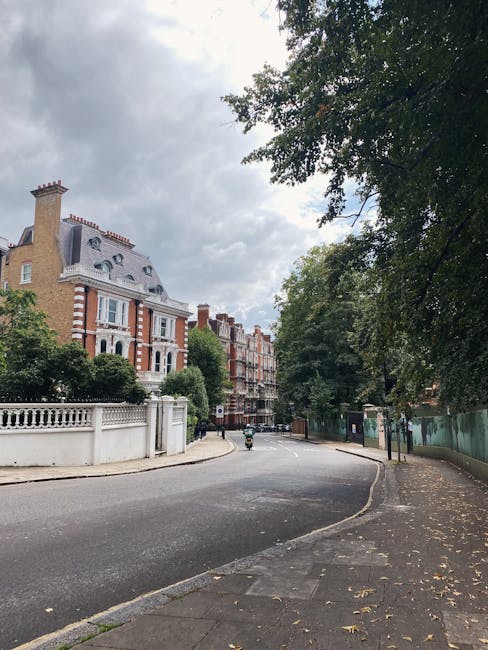
Chelsea properties often have outdoor spaces that are elegant, but not generous. A narrow side return, a courtyard, a paved rear yard, or a split-level patio can all look fine at first glance and still feel oddly unusable. The difference usually comes down to how well the space is planned and maintained.
Small gardens fail for small reasons. A pot blocks the light. A few weeds make the paving look tired. A poor plant choice turns a bright corner into a weekly chore. Drainage slows down after rain. One misplaced storage box makes the whole place feel tighter. It doesn't take much.
That is why local gardeners who understand compact London layouts matter. They are not just cutting back growth or adding flowers. They are thinking about circulation, proportion, privacy, shade, and how the space will feel from inside the house as much as from outside. In Chelsea, that matters more than people expect.
There is also a practical side. If a patio is used for seating, entertaining, or simply getting a bit of fresh air between meetings, it needs to stay clean, safe, and easy to maintain. A cluttered or overgrown yard can become one of those jobs you keep meaning to sort out. Then six months pass. We have all been there.
Expert summary: For small outdoor spaces in SW3, the best gardening work is usually the kind you notice by how easy the space feels afterwards, not by how dramatic it looks on day one.
If your outdoor area also needs hard-surface attention, the broader service range at the home page may help you see how patio care, cleaning, and garden maintenance can sit alongside each other rather well.
How Gardeners for Chelsea SW3 patios and small yards London Works
The process normally starts with a proper look at the space. Not a rushed glance. A decent gardener will assess what the patio or yard gets each day: sun, shade, wind, rain runoff, access, and how people actually move through the space. That first read tells you a lot.
From there, the work usually falls into a few layers:
- Assessment: checking paving condition, planting areas, drainage, and access points.
- Clearance: removing dead growth, unwanted debris, and items that are making the space feel overcrowded.
- Pruning and shaping: reducing overgrown shrubs, climbing plants, or container planting that has become messy.
- Planting strategy: choosing plants suited to the light conditions and the time you want to spend maintaining them.
- Finishing and tidying: improving the overall presentation so the space feels balanced, not just "done".
Sometimes the real value is in restraint. In a tiny yard, fewer plants can look better than a crowded arrangement. A single climbing plant, a couple of structured pots, and a clean path often beat a busy border full of competing colours. Sounds simple, but it is surprisingly easy to get wrong.
There may also be maintenance planning involved. For instance, if the space is heavily shaded, the gardener may recommend less frequent watering but more attention to moss, leaf fall, and damp. If the patio is exposed and dry, the advice may lean toward hardy planting and irrigation discipline. Truth be told, one-size-fits-all gardening rarely works in Chelsea's smaller spaces.
Where waste removal or green disposal is part of the job, responsible handling matters too. If sustainability is important to you, the company's recycling and sustainability approach is worth checking, especially for larger clearances or recurring maintenance.
Key Benefits and Practical Advantages
The obvious benefit is that the space looks better. But for most people, that is only half the story. What they really want is a patio or small yard that feels easier to live with.
Here are the practical advantages you usually get from skilled garden work in a compact Chelsea setting:
- Better use of space: the layout feels more open, and movement becomes easier.
- Lower maintenance: a sensible plant mix and tidier structure reduce weekly effort.
- Improved first impression: the space looks cared for from the kitchen, dining room, or back door.
- More reliable plant health: light levels, watering habits, and soil conditions are matched more carefully.
- Safer surfaces: less debris, fewer trip hazards, and better visibility on steps or narrow paths.
- Better seasonal rhythm: the garden has a plan for spring, summer, autumn, and winter rather than becoming a one-season wonder.
There is also a quieter benefit: mental relief. Small spaces can make clutter feel louder. You open the door and see every messy corner at once. When the patio is properly organised, that background noise drops. It sounds minor, but it changes how you use the place.
For landlords, managing agents, and homeowners alike, regular professional gardening can also help avoid the sort of gradual deterioration that turns into a bigger job later. That is often where value shows up most clearly. Not glamorous, but real.
| Approach | Best for | Strengths | Limitations |
|---|---|---|---|
| One-off tidy-up | Overgrown patios or yards needing a reset | Fast visible improvement, good for short-term presentation | May not solve underlying layout or planting issues |
| Seasonal maintenance | Homes that need regular upkeep without major redesign | Keeps the space stable and manageable | Less transformational than a full refresh |
| Design-led gardening | Small yards that feel awkward or underused | Improves function, flow, and appearance together | May take more planning and initial effort |
| Combined patio and garden care | Properties where hard surfaces and planting both matter | Most balanced result, especially in compact urban spaces | Needs a clear scope and good communication |
Who This Is For and When It Makes Sense
This kind of service suits a fairly wide range of people, but especially those with limited outdoor space and limited time. That combination is common in Chelsea.
You may be a good fit if:
- your patio or yard feels too small to be useful, even though it has potential
- plants are healthy in places but awkwardly arranged
- the space gets muddy, slippery, or untidy after rain
- you want a calmer setting without a complete redesign
- you have a rental property and need the outside area to stay presentable
- you are preparing for guests, a sale, or a move-in
- you simply do not want to spend every weekend pruning, sweeping, and resetting pots
It also makes sense when the space has become slightly embarrassing. That is more common than people admit. One week it is "just a few weeds"; the next, the back yard is auditioning for a skip photo. Small spaces can deteriorate quietly, then all at once.
A local gardener is especially useful if the area is tricky to access, has uneven paving, or has plants in containers that need more precise care than a general tidy-up can offer. You want someone who understands the difference between a quick cosmetic pass and genuine improvement.
If you are still deciding whether to book, the company's contact page can help you ask the right questions before committing. Sometimes a short conversation saves a lot of guesswork.
Step-by-Step Guidance
Here is a practical way to approach a small patio or yard in Chelsea without wasting time or money.
- Look at how the space is used now. Sit in it, stand in it, and notice where you actually move. What gets in the way? What feels cramped? What never gets used?
- Check the light and damp conditions. A north-facing yard has very different needs from a bright, exposed patio. This affects plant choice more than nearly anything else.
- Clear the clutter first. Before adding anything, remove dead pots, broken trays, faded furniture, and plants that are no longer doing their job.
- Sort the hard surfaces. Clean paving, edged borders, and tidy joints make a small space feel bigger. Dirty surfaces tend to visually shrink a yard.
- Choose structure before decoration. In a tight space, form matters. Evergreens, clipped shapes, a single feature pot, or one strong climber can do a lot.
- Keep planting disciplined. Use fewer varieties and repeat them for calm. A chaotic mix is harder to maintain and usually looks smaller, not richer.
- Plan upkeep realistically. Be honest about how much time you will spend watering, pruning, and sweeping. Choose plants accordingly.
- Review after the first season. Small gardens often need adjustment. What worked in April may look awkward by August, and that is normal.
A good gardener will usually build in some flexibility. That is the point. Small yards rarely behave perfectly on the first attempt. They need a bit of listening. Yes, even gardens listen, in their own way.
For jobs involving access, site care, or more detailed scheduling, it is also sensible to read the company's health and safety policy and insurance and safety information. That kind of transparency matters, especially in tighter residential settings.
Expert Tips for Better Results
There are a few things experienced gardeners tend to do in small Chelsea spaces that make a real difference.
1. Use repetition, not clutter
Repeating two or three plant types usually looks smarter than filling a patio with many different ones. Repetition creates rhythm. It also makes maintenance simpler, which, let's face it, is half the battle.
2. Pay attention to the edges
In a small yard, the edges do a lot of visual work. Crisp lines around paving, planters, and borders can make a modest space feel intentional rather than compromised.
3. Lift things off the ground where possible
Raised planters, wall-mounted containers, and climbing planting help free floor space. That tiny shift can make a yard feel much more breathable.
4. Choose plants that earn their place
If a plant looks nice but needs constant babysitting, it may not be a good fit. In small spaces, every plant should justify the space it occupies. A bit brutal, maybe, but true.
5. Think about views from indoors
Many Chelsea patios are seen more from the kitchen or living room than used directly. Shape the space for the view you live with every day, not just the one you see on a warm afternoon.
6. Leave breathing room
It is tempting to fill every corner. Resist that. Empty space gives the eye somewhere to rest and helps the garden feel larger. This is one of those simple things that people only notice after the fact.
If you want a company page that explains the organisation behind the work, the about us page is useful context. It helps you judge whether the service feels like a fit, not just whether the words sound polished.
Common Mistakes to Avoid
Small patios and yards are forgiving in some ways and brutal in others. A few mistakes crop up again and again.
- Overplanting: too many pots and too many species make the area feel crowded.
- Ignoring drainage: puddling, moss, and persistent damp can quickly undo good work.
- Using plants unsuited to the light: a sunny-border favourite can struggle badly in shade.
- Choosing high-maintenance features: fussy planting is rarely the answer in a small urban yard.
- Forgetting the function of the space: a pretty patio that nobody wants to use is not much of a win.
- Skipping the reset stage: if you do not clear and tidy first, the later work never quite lands properly.
One subtle mistake is trying to solve everything at once. People often start with shopping, then get stuck. Better to assess, clear, simplify, and then add. That sequence saves money and sanity.
Another issue is assuming that every corner needs a feature. It doesn't. In fact, the most elegant small outdoor spaces usually have one or two strong moments and some calm around them.
Tools, Resources and Recommendations
For professional gardening work in patios and small yards, the right tools are usually the modest ones: secateurs, shears, a sturdy brush, a good trowel, hand forks, pruning saws where needed, a wheelbarrow or rubble bags, and containers for moving soil or waste safely. The glamorous stuff is overrated. A tidy tool bag and a sharp pair of secateurs go a long way.
For property owners, the most useful "resource" is actually a short maintenance plan. It does not need to be fancy. Just ask:
- What should be done monthly?
- What needs attention each season?
- Which plants are likely to need more water or pruning?
- What should be checked after storms or heavy rain?
It also helps to keep records of what has been planted, especially in container gardens. Small yards can change quickly, and memory gets fuzzy. You think, "Was that lavender or rosemary?" Then you water it wrong for three weeks. Very annoying.
For practical next steps around booking and budgeting, the company's pricing and quotes page can help you understand how work is scoped. If secure payment matters to you, there is also a payment and security information page for added reassurance.
Law, Compliance, Standards, or Best Practice
For most home garden jobs, the main compliance issues are practical rather than dramatic. In London, the important things are safe working practices, responsible waste handling, clear communication, and respect for neighbours and access routes. If a job affects shared entrances, communal areas, or rented property, the planning matters a bit more.
Best practice usually includes:
- using safe methods for lifting, cutting, and moving materials
- keeping paths, steps, and working areas free from avoidable hazards
- managing waste responsibly rather than leaving it piled up
- protecting delicate surfaces and nearby fixtures during work
- being clear about the scope of the job before work starts
In a dense area like Chelsea, courtesy also counts. Noise, access, and timing can affect neighbours more than you think. A professional gardener who works neatly and communicates clearly will usually avoid the kind of friction that turns a simple job into an awkward one.
If you want to understand how the business handles wider responsibilities, including disputes, privacy, or terms of service, the relevant pages include the terms and conditions, privacy policy, and complaints procedure. For a broader view of company values, there is also a modern slavery statement, and for users who need support with site navigation, an accessibility statement.
Options, Methods, or Comparison Table
Choosing the right approach depends on what the patio or small yard needs most. A little comparison helps.
| Method | What it does best | Best for Chelsea SW3 spaces? | Notes |
|---|---|---|---|
| Maintenance gardening | Keeps an existing space neat and manageable | Yes | Ideal if the layout is basically fine but the upkeep has slipped |
| Planting refresh | Improves colour, structure, and seasonal interest | Yes | Best when the space looks flat or tired but not fundamentally broken |
| Full redesign | Reworks layout, planting, and movement through the space | Sometimes | Useful for awkward yards, though it needs more planning |
| Patio-led care | Focuses on hard surfaces, cleanliness, and presentation | Yes | Very useful where the patio is the main feature and planting is secondary |
Most homeowners end up needing a blend rather than a single method. That is normal. A compact space might need one visit to reset it, another to shape it, and then light seasonal maintenance to keep everything from drifting back.
Case Study or Real-World Example
Imagine a narrow Chelsea rear yard that had become a catch-all: two tired pots, a climbing plant that had gone wild, some damp patches on the paving, and a chair nobody used because there was nowhere comfortable to put your feet. Nothing catastrophic. Just a bit sad, really.
A sensible gardener would likely begin by clearing dead material, reducing the climber, and checking where water collects after rain. Next, they might simplify the planting to a few better-chosen containers, create more visual space near the seating area, and neaten the edges around the patio. The result would not be dramatic in a glossy magazine way. But it would feel calmer. Easier. More likely to be used.
That is the point with small yards. Success is often quiet. You notice it on a Tuesday evening when you step outside and think, "Actually, this is fine." That little moment matters more than a flashy before-and-after shot.
In many cases, the job becomes part refresh, part maintenance, part problem-solving. That mix is what gives the best results, especially in homes where the outdoor space must work as a genuine extension of the living area.
Practical Checklist
Use this checklist before booking or starting work on a Chelsea SW3 patio or small yard:
- Is the space being used as seating, planting, storage, or all three?
- Are there drainage, damp, or slippery-surface issues?
- Which parts get sun, shade, or wind during the day?
- Are the existing plants healthy and suited to the conditions?
- Does the layout feel overcrowded, or just untidy?
- Are there access issues, shared areas, or neighbour considerations?
- Do you want a one-off tidy-up or regular maintenance?
- Is waste removal or recycling part of the job?
- Have you set a realistic budget and scope?
- Do you know what success should look like after the work is done?
Quick takeaway: if you can answer those ten points clearly, the job is much more likely to go smoothly. If not, pause and clarify first. A bit of planning now prevents a lot of irritation later.
Conclusion
Gardeners for Chelsea SW3 patios and small yards London are not just for people with overgrown gardens. They are for anyone who wants a compact outdoor space to feel more usable, more balanced, and less demanding. In a part of London where outdoor space is precious, the difference between "there's a yard out back" and "this is a real extension of the home" can be surprisingly small and surprisingly achievable.
The best results usually come from careful observation, practical plant choices, tidy execution, and a willingness to keep things simple. Not boring. Just calm, intentional, and easy to live with. That is often where the real value sits.
If you want a more detailed view of how the business works, or you are ready to ask about your own space, the simplest next step is to review the available information and make contact when it feels right.
Get a free quote today and see how much you can save.
Sometimes a small outdoor space only needs the right hands and a clear plan. And once it clicks, you will wonder why you left it so long.
Frequently Asked Questions
What do gardeners for Chelsea SW3 patios and small yards London usually do?
They typically handle tidy-ups, pruning, planting, container care, light redesign, and ongoing maintenance for compact outdoor spaces. In many cases, they also help improve the overall layout so the area feels easier to use.
Is a small yard worth professional gardening work?
Yes, often more than a larger garden. Small spaces show neglect quickly, but they also respond quickly to good work. A few smart changes can make a big difference to how the area looks and functions.
How often should a patio or small yard be maintained?
That depends on the planting, shade, and how much the space is used. Some homes need monthly attention, while others only need seasonal visits and occasional touch-ups. There is no single rule that fits every yard.
Can a gardener help make a tiny patio feel bigger?
Absolutely. Careful planting, fewer visual obstacles, cleaner edges, and better use of vertical space can make a compact patio feel much more open. The trick is often subtraction, not addition.
What is the difference between garden maintenance and garden design?
Maintenance keeps an existing space healthy and tidy. Design changes the layout, planting structure, or overall feel of the space. Some jobs include both, especially where a small yard has become awkward over time.
Do small London yards need special plant choices?
Usually, yes. Light levels, wind exposure, and limited soil volume mean some plants do far better than others. Good gardeners choose plants that suit the conditions rather than just the look.
What if my patio has drainage or damp problems?
That should be assessed before any planting plan is finalised. Damp, pooling water, or slippery patches can affect plant health and safety. It is better to solve those issues early, even if it means simplifying the plan a little.
Can a gardener work around a rental property or managed building?
Yes, though access, noise, and waste handling may need a bit more coordination. In managed settings, clear communication helps avoid delays and misunderstandings.
How do I know whether I need a one-off visit or regular maintenance?
If the space is simply untidy or overgrown, a one-off visit may be enough to reset it. If plants grow quickly, the space is used often, or you want it always looking presentable, regular maintenance is usually better.
What should I ask before booking a gardener in Chelsea SW3?
Ask what is included, how the work will be approached, whether waste removal is covered, and how pricing is structured. It is also sensible to ask about safety, insurance, and what happens if the scope changes.
Are container plants a good option for small yards?
Yes, especially where ground space is limited. Containers give flexibility and make it easier to refresh the look of the space. They do, however, need proper watering and a sensible planting mix.
What should I avoid in a small patio garden?
Avoid overcrowding, choosing plants without checking light conditions, and letting the space become a storage area. The biggest mistake is often trying to force too much into too little room.